
Grief, like emotions tend to be, is a strange thing. It makes us blind. It makes us irrational. It makes us want to spread it across. It makes us want to make the non-grieving grieve, too. Grief, then, can be a parasite and parasitic, both.
But does it excuse hurting others? Does it excuse painting the innocent guilty? Does it excuse making perpetual aggressors out of a community whole?
I hope not. And I hope something as tragic as the exodus of Kashmiri Pandits in the 1990s excuses something as incendiary and aggravating as The Kashmir Files (2022). The horror of the first can’t, shouldn’t, and doesn’t make it okay for the second to further the Hindutva project, to make a community already marginalized/discriminated against scared even more.
And that’s also why something like Baramulla (2025) is not merely a welcome creation, but somewhat of a roadmap for others to follow, an exercise in empathy without sanitising a horror.
A Haunted Family, A Haunted Home
In the Kashmiri town of Baramulla, the son of a former MLA goes missing. A vanishing trick in a local magic show ends up being more than a trick as the (faux) magician witnesses (real) magic. The magician is promptly arrested, but the kid remains lost (vanished?) still.
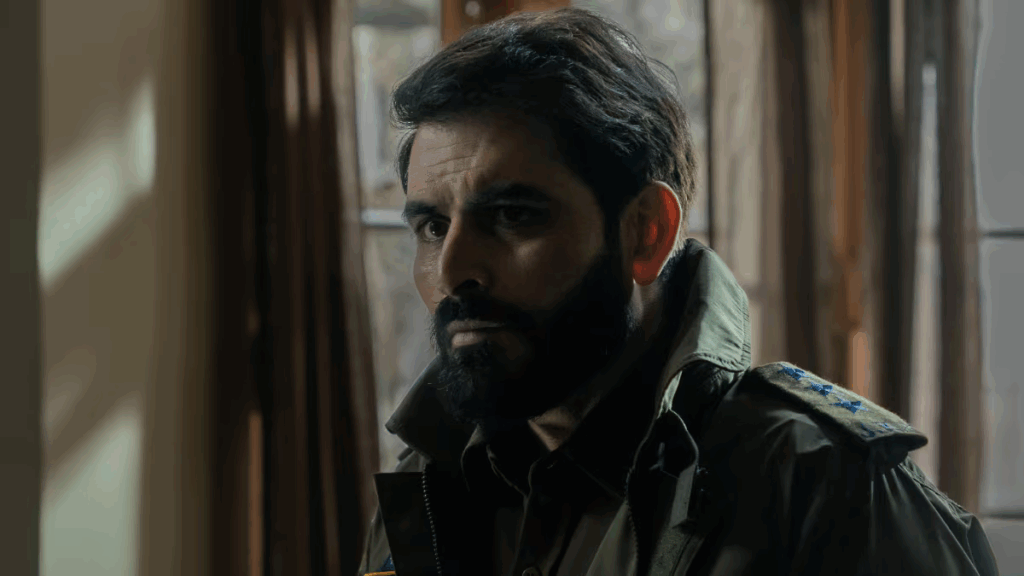
To solve the case, the police officer DSP Ridwaan Sayyed (Manav Kaul) is summoned, who arrives with his family. A past incident haunts the family, and their house seems to have a life of its own. Strange sounds, strange smells, strange sights, and strange sensations cloud this already-distressed family. In some ways, it mirrors the valley itself, renovated as it is on the surface but infested behind the varnish.
Meanwhile, more kids are disappearing as Ridwaan chases on clue after another, largely clueless. The family, being associated with a police officer, isn’t welcome in the town, and hostility seems to be their new, obnoxious neighbour.
The Living Amidst the Dead
Kaul, as usual, wears the skin of this protagonist seamlessly: a father, a husband, a police officer – all his roles in jeopardy – while he tries to do his best within the circumstances of his own and others’ making.
His family – his wife, Gulnar (Bhasha Sumbli), daughter, Noorie (Arista Mehta), Ayaan (Rohaan Singh) – aren’t kept as mere props just in service to the plot, but are shown as fully-realised characters, each with their internal lives. Ayaan craves for a friend to play with; Noorie doesn’t want to be associated with her defense personnel of a father; Gulnar posts on her personal blog, also conducting her private investigations into the house as the story progresses.
Ghosts, there are many, supernatural or otherwise. Militancy haunts the valley, as do the curfews. The creepy metaphor of the tulip recurs, somehow connected to the disappearances. Shadows, imaginary or otherwise, occupy the house. The word kaafir is painted outside as the family grows increasingly cornered.
But the incendiary ghosts of its predecessor-in-certain-ways are missing (thankfully!).
To Choose Empathy Over Incitement
In the early 1990s, almost a hundred thousand Kashmiri Pandits were forced to flee the Kashmir valley. While the state (and national) government watched, offering no support as several high-ranking Pandit officials were murdered, thousands of families moved to refugee camps.
It’s almost impossible to talk today of the representation of Kashmiri Pandits’ plight in art and cinema, and not talk of that (in)famous Agnihotri creation, The Kashmir Files. Some great cinematography and performances don’t (try to) hide the obvious revisionist narrative it tries to propagate, the community it tries to implicate, the ideology(ies) – or its subscribers – it tries to denigrate.
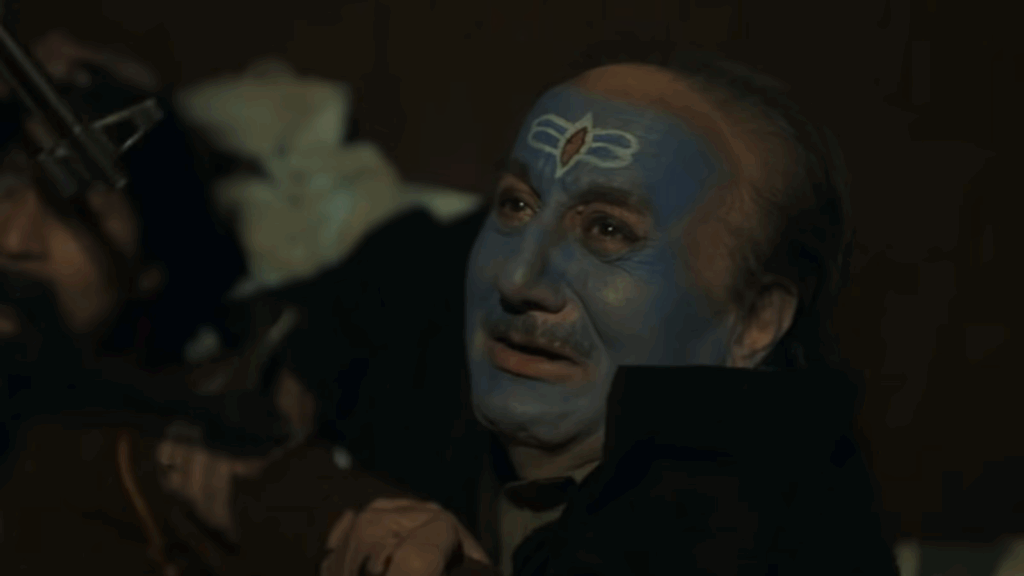
The word genocide is repeatedly, conspiratorially emphasised, as is the revengeful-wronged sentiment it flares. Muslim kids chime at a mosque, “Raliv, Galiv ya Chaliv” (convert, leave or die). A JNU (Jawaharlal Nehru University, that much maligned institution) professor tells a student, “Pin it on the government! Don’t blame the terrorists.” In the climactic scene, a Hindu boy is shot by a Muslim terrorist.
As was its intention, though denied by Agnihotri repeatedly, it flared communal tensions and led to deaths and harassment aplenty.
To all this, you may wonder, “Yes, Kashmir Files was crass and hogwash, but it doesn’t excuse Baramulla’s subtler subtexts!” And you won’t be wrong. But what Baramulla does right should also not be ignored. It portrays a valley in flux, trapped between simultaneous forces. It shows grief without propaganda. It doesn’t point to easy answers.
It doesn’t weaponise pain.
Flawed People and Skewed Sympathies
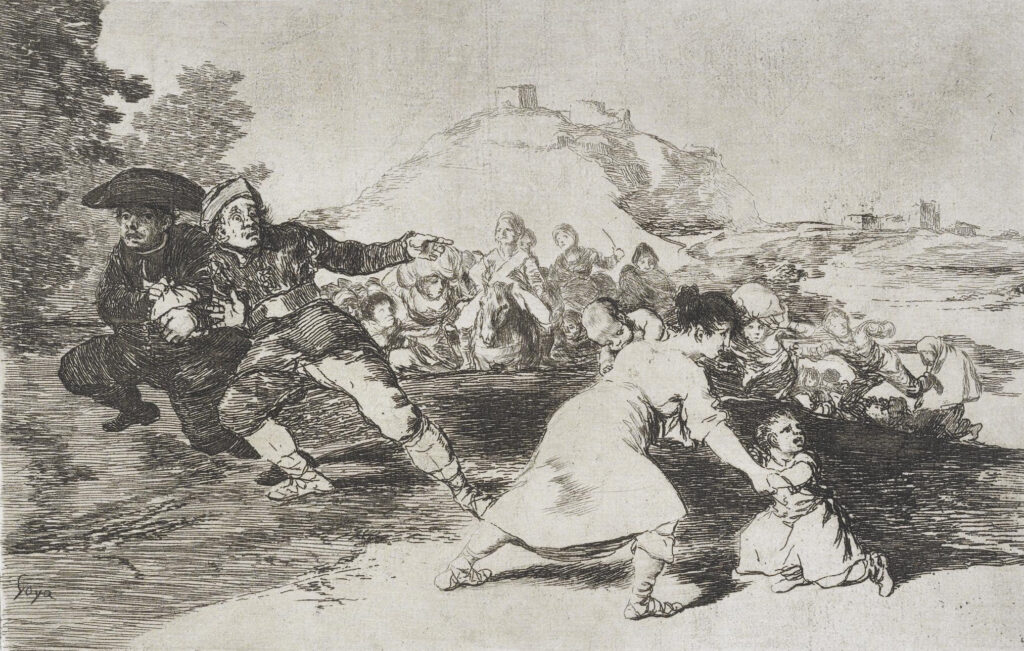
Is it perfect? Certainly not. The police force is shown as benevolent, misunderstood figures, while all blame is shifted to militancy and aggression by the locals. The State, here, is wounded but essentially well-meaning; it’s the people who keep making the wrong choices. Too many on-the-nose depictions are scattered around: of terrorists farming kids, of misguided locals, misguided kids, misguided politicians, misguided misguided…
At the same time, it’s necessary, important to examine our (not-so) past wounds that continue to fester in modern society, be it 2002 or 1984, 1947 or 1990, and Baramulla does so without falling into jingoistic sentimentalities.
As a grief outlet, Baramulla ruminates more, lashes out less.